
 Australia
 Canada
 Cayman Islands
 Dominican Republic
 Hong Kong
 India
India
 Indonesia
 Ireland
 Jamaica
 New Zealand
 Singapore
 Thailand
 United Kingdom
 Vietnam

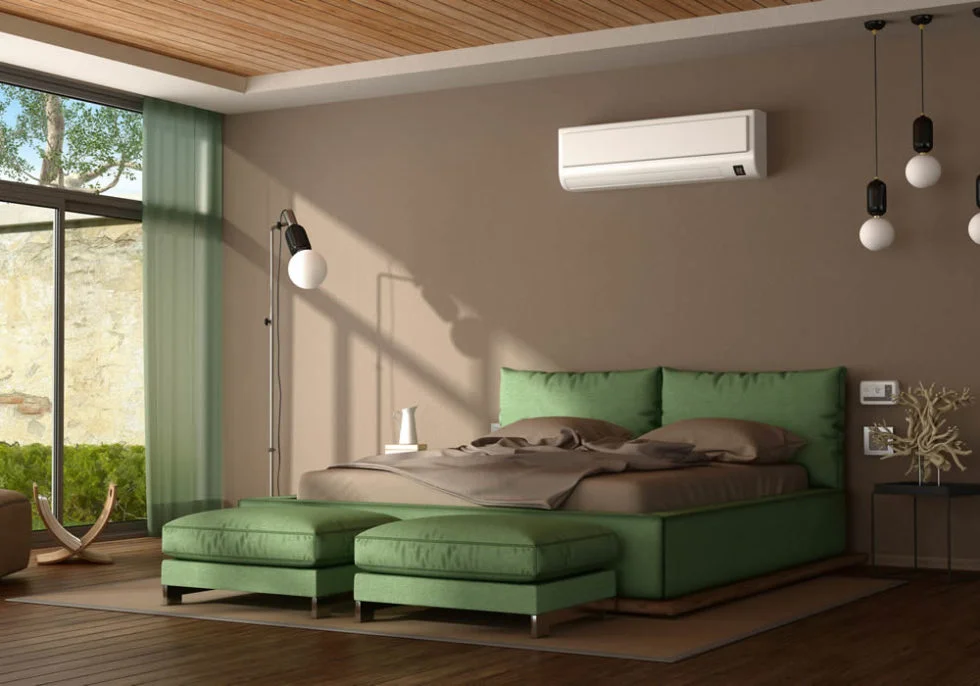
One room feels like a fridge while another sits sticky and warm, no matter where the thermostat is set. Loads of homeowners just live with it, blaming the layout of the house or an old unit that's simply "past it." Before booking a full replacement this autumn, it's worth figuring out what's actually driving that imbalance, because a new system won't necessarily fix a problem that has nothing to do with the equipment itself.
It Might Not Be the Unit at All
Hot and cold spots often trace back to airflow, not horsepower. Blocked vents, closed doors, or furniture parked over a register can quietly starve a room of cool air all season. Dust-clogged filters do the same thing, forcing the system to work harder while delivering less to the far corners of the house. None of this gets solved by swapping out the unit.
Ductwork Tells Its Own Story
Leaky or poorly sealed ducts lose conditioned air before it reaches its destination, and rooms furthest from the system usually cop the worst of it. In hotter climates, duct runs through a scorching attic can heat the air travelling through them, so what leaves the unit cold arrives lukewarm. A proper inspection often reveals gaps that a brand-new system would simply inherit.
Thermostat Placement Skews the Whole Picture
A thermostat sitting near a sunny window, a lamp, or a return vent gets fooled into thinking the house is cooler than it really is. It shuts the system off early, leaving upstairs bedrooms or sun-facing rooms stuck warm. Moving it, or shifting to a smart model with better sensing, sometimes solves what looked like a hardware issue entirely.
Insulation and Sun Exposure Matter More Than People Expect
Rooms with thin attic insulation or big west-facing windows soak up heat all afternoon, and no AC comfortably keeps pace with that kind of gain. This is where anyone searching ac installation near me should pause, since better insulation or window coverings sometimes deliver more relief than new equipment ever could.
Sizing Errors Get Baked In
An oversized unit cools fast, shuts off before humidity drops, and leaves the air feeling clammy. An undersized one runs constantly and still can't keep up. Getting the sizing right matters more than brand or price, and it's exactly why a proper load calculation should come before any central ac installation, not after.
Chasing the real cause first tends to save both money and a repeat of the same frustration next summer. For learn more https://careservicesinc.com/services/ac-installation