Australia
 Canada
 Cayman Islands
 Dominican Republic
 Hong Kong
 India
 Indonesia
 Ireland
 Jamaica
 New Zealand
 Singapore
 Thailand
 United Kingdom
 Vietnam

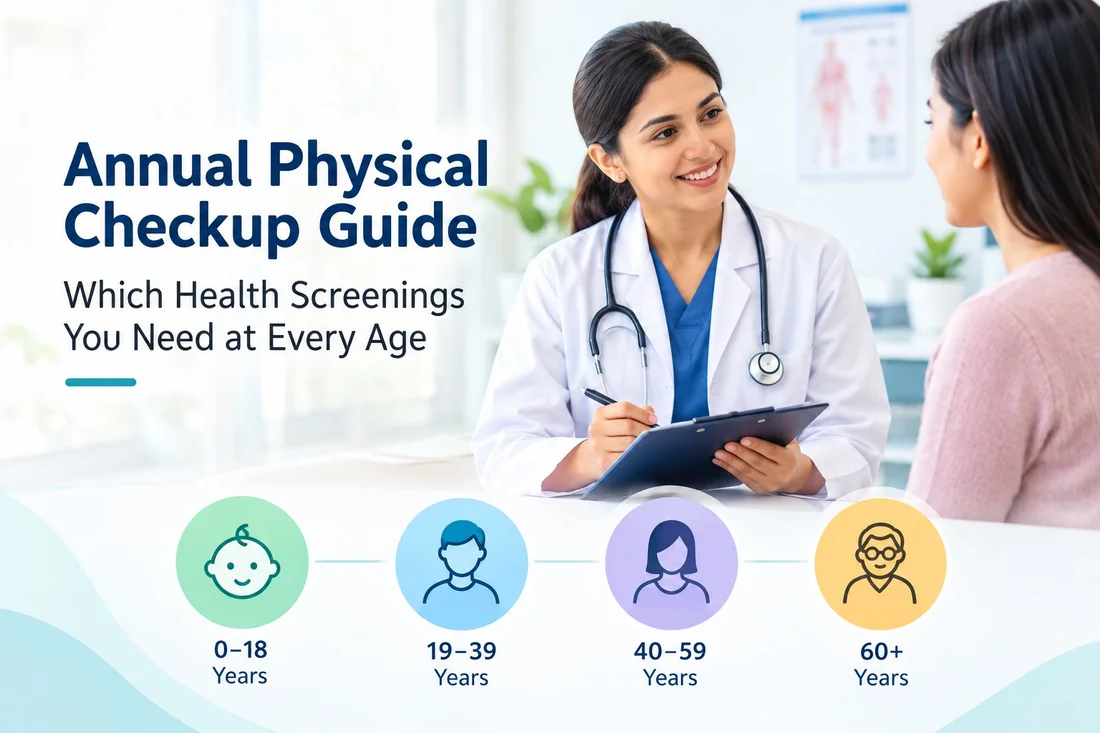
Many people only see a doctor when something goes wrong. But some of the most serious conditions, including high blood pressure, diabetes, high cholesterol, and several cancers, can develop quietly and are much easier to treat when found early. An annual physical, also called a preventive checkup, is your chance to catch problems before they cause symptoms.
This guide explains what usually happens during a checkup, which screenings are generally recommended at different ages, and how to prepare so you get the most out of your visit. You can learn more about the care we provide on our preventive care and comprehensive health assessments pages.
A regular checkup helps you and your doctor to:
Detect silent conditions such as hypertension, prediabetes, and high cholesterolReview and update vaccinationsScreen for cancers and other diseases at the right agesReview your medicines, supplements, and any new symptomsCheck on mental health, sleep, stress, and lifestyleBuild a trusting relationship with a primary care provider who knows your historyMany insurance plans cover preventive services at little or no cost, so it is worth asking about your benefits. City Prime Care works with most major insurers, and you can see the full list on our insurance page.
Every visit is a little different, but most follow this pattern:
Check-in and history: you review your medical, family, and medication history and any changes since your last visit.Vital signs: blood pressure, heart rate, temperature, height, weight, and body mass index (BMI) are recorded.Physical exam: the provider listens to your heart and lungs, checks your abdomen, ears, throat, skin, and reflexes as appropriate.Screening questions: you may be asked about mood, sleep, alcohol, tobacco, safety at home, and physical activity.Tests and vaccines: blood tests, urine tests, or immunizations are ordered based on your age and risk factors.Plan and follow-up: you and your provider agree on next steps, referrals, and when to return.The table below summarizes commonly recommended screenings for adults at average risk, based on guidance from national health organizations such as the U.S. Preventive Services Task Force. Your own schedule may differ depending on your family history, existing conditions, and lifestyle, so always confirm with your doctor.
Screening needs can differ by sex and life stage. See our women's health, men's health, and geriatric care pages for more.
This graph shows the typical starting age for several important screenings for average-risk adults. Each block represents about five years of age.
If you have a close family member who developed cancer, heart disease, or diabetes at a young age, your doctor may suggest starting some screenings earlier. To understand two of these checks in depth, read our guides to high blood pressure and type 2 diabetes.
Vaccine guidance is updated regularly. Check the CDC adult immunization schedule for the latest, and read our flu vs cold vs COVID-19 guide ahead of respiratory season.
A little preparation makes your appointment more productive. Bring or prepare:
A list of all medicines, vitamins, and supplements, with dosesYour insurance card and a photo IDRecords of past vaccines, test results, or visits to other providersA list of questions and any symptoms, including when they started and what makes them better or worseDetails about your family health historyA note about changes in weight, sleep, mood, or energyIf your doctor tells you to fast before blood work, avoid food and drink other than water, usually for 8 to 12 hours. Ask in advance, since not every test requires fasting. Our guide to common blood tests explained lists which tests usually need fasting. New to the clinic? Visit our new patients page.
Use your visit to understand your personal health picture:
Are my blood pressure, weight, and cholesterol where they should be?Which screenings or vaccines am I due for this year?Does my family history change my screening schedule?Are any of my medicines or supplements likely to interact?What can I do to improve my sleep, diet, and activity level?When should I return, and which symptoms should prompt me to call sooner?More from City Prime Care: Understanding Your Diagnostic Testing Results and our primary care services.
Trusted external sources: U.S. Preventive Services Task Force recommendations, CDC Adult Immunization Schedule, and MedlinePlus Health Screening.
City Prime Care is ready to support your preventive health needs at our Elmhurst, Queens and Chinatown, Manhattan clinics. To ask a question or plan a visit, please use our contact page at https://www.cityprimecare.com/contact.
Prevention is one of the most effective investments you can make in your long-term health. A short yearly visit, a few well-timed screenings, and up-to-date vaccines can catch problems early and keep you feeling your best at every stage of life.
This article is for general education and does not replace personal medical advice. Screening recommendations change over time, so please confirm what is right for you with a qualified healthcare professional.