
 Australia
 Canada
 Cayman Islands
 Dominican Republic
 Hong Kong
 India
India
 Indonesia
 Ireland
 Jamaica
 New Zealand
 Singapore
 Thailand
 United Kingdom
 Vietnam

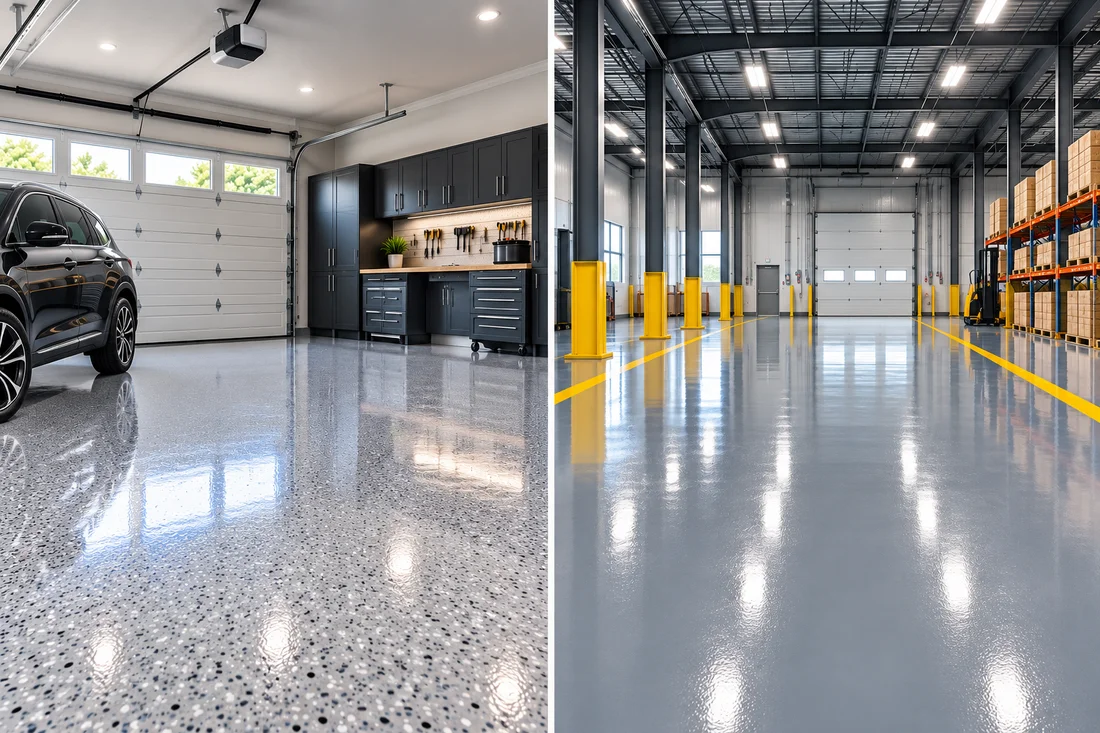
Choosing epoxy flooring is not simply about selecting a color or attractive finish. Different spaces have different demands, so the flooring system should match the way the area is used. A residential garage, commercial showroom, workshop, and industrial facility can all require different levels of durability, chemical resistance, traction, and maintenance. For property owners in Woodland Park, NJ, understanding these differences can make it easier to choose a flooring system that performs well over time. Local properties may experience seasonal moisture, temperature changes, vehicle traffic, and other conditions that can affect concrete surfaces. The right epoxy flooring should balance performance, appearance, safety, and maintenance requirements. By considering the specific conditions of each space, homeowners and businesses can make a more informed flooring decision.
Start With How the Space Will Be UsedThe purpose of the space should be the first consideration when selecting epoxy flooring. A floor used mainly for light foot traffic will not need the same specifications as one exposed to vehicles, machinery, or chemicals. For example, a basement may prioritize appearance and moisture management, while a garage may need greater resistance to vehicle traffic, oil, and road salt. Commercial spaces may require additional durability because employees, customers, equipment, and deliveries create continuous activity.
Before choosing an epoxy system, consider the following:
Expected foot and vehicle traffic
Exposure to moisture and spills
Contact with chemicals or automotive fluids
Heavy equipment or machinery
Cleaning frequency
Desired appearance
Safety and traction requirements
These factors can help narrow down the most suitable flooring system.
Consider the Condition of the ConcreteEpoxy flooring performs best when applied to a properly prepared concrete surface. Existing cracks, surface damage, contamination, moisture, or previous coatings can affect adhesion and the final appearance. Older concrete floors should be inspected before installation. Minor damage may require repair, while more serious surface conditions may require additional preparation. In Woodland Park, NJ, seasonal changes can also make moisture and temperature considerations important. Addressing these issues before installation can help reduce future flooring problems.
Choose Epoxy Flooring Based on TrafficTraffic levels have a direct impact on flooring performance. A residential basement with occasional foot traffic has different needs from a busy commercial facility.
Residential AreasHomeowners often want flooring that combines durability with an attractive appearance. Garages, basements, workshops, and utility spaces may benefit from coatings that are easy to clean and resistant to everyday wear. When comparing <a href="https://epoxyshine.com/residential-flooring/">residential epoxy flooring options</a>, consider the space's purpose, expected traffic, design preferences, and maintenance needs.
Commercial SpacesCommercial properties often experience more frequent traffic from employees, customers, equipment, and deliveries. These spaces may require stronger coating systems designed for repeated use. Showrooms, retail spaces, offices, and service areas can benefit from epoxy flooring that provides both a professional appearance and reliable surface protection.
Industrial AreasIndustrial facilities generally require the highest level of performance. Heavy machinery, vehicles, chemicals, equipment, and constant activity can place significant stress on flooring. For garages, service facilities, and similar environments, <a href="https://epoxyshine.com/industrial-flooring/">durable industrial epoxy flooring</a> can provide a surface designed around vehicle movement, equipment, automotive fluids, and demanding maintenance conditions.
Think About Chemical ExposureNot every epoxy system provides the same level of chemical resistance. This is particularly important for automotive facilities, laboratories, manufacturing areas, workshops, and industrial spaces. Oil, grease, solvents, cleaning products, and other substances can affect unsuitable flooring surfaces. If chemical exposure is expected, the flooring system should be selected according to the specific substances present in the environment. Understanding the facility's chemical exposure before installation can help prevent premature damage and unnecessary maintenance.
Consider Moisture and Water ExposureMoisture can affect both concrete and flooring coatings. Basements, garages, service areas, and other spaces may experience different levels of water exposure. Before installing epoxy flooring, property owners should consider where moisture comes from and whether the existing concrete has any moisture-related concerns. A flooring professional can assess the surface and determine whether additional preparation is necessary before applying an epoxy system.
Decide Between Decorative and Performance FeaturesEpoxy flooring can be selected for both appearance and performance. Different finishes provide different visual effects and functional characteristics.
Flake EpoxyDecorative flakes can add color variation and texture while helping create a finished appearance. This option is popular for garages, workshops, and other residential spaces.
Metallic EpoxyMetallic epoxy creates unique patterns with depth and reflective effects. It is often selected when appearance is a major consideration.
Quartz EpoxyQuartz systems combine decorative aggregate with resin to create a textured and durable surface. They can be suitable for areas requiring additional traction and wear resistance.
Solid-Color EpoxySolid-color systems provide a simple and consistent appearance. They can work well in commercial and industrial environments where a clean visual finish is preferred.
Safety Should Be Part of the SelectionFlooring can affect how safely people move through a space. Water, oil, chemicals, and other liquids can create slippery conditions. For garages, workshops, commercial facilities, and industrial spaces, a slip-resistant finish may be useful. However, the texture should still allow the floor to be cleaned effectively. The right balance between traction and maintenance depends on how the space is used.
Think About Cleaning and MaintenanceOne reason epoxy flooring is popular is its relatively simple maintenance. A seamless surface can reduce areas where dirt and liquids collect. However, maintenance requirements can vary based on the flooring system and environment. Residential floors may only need regular sweeping and occasional mopping, while commercial facilities may require more frequent cleaning. Before selecting a system, consider the cleaning products, equipment, and maintenance schedule that will be used.
Appearance Matters, TooPerformance should be the priority, but appearance also matters. Flooring can influence how a home, showroom, workshop, or commercial facility looks and feels. Epoxy systems are available in many colors and decorative finishes. Property owners can choose designs that complement walls, cabinets, equipment, vehicles, or overall interior styling. For businesses, a clean and well-maintained floor can also contribute to a more professional environment for customers and employees.
Consider the Long-Term ValueInitial installation cost should not be the only factor when comparing epoxy flooring systems. A flooring system should also be evaluated based on expected lifespan, maintenance requirements, durability, and suitability for the environment. A lower-cost option may require more repairs or maintenance if it is not designed for the conditions of the space. In contrast, a properly selected system can provide better long-term value by reducing maintenance and protecting the underlying concrete. Property owners should therefore compare the overall value rather than focusing only on the initial price.
Why Proper Installation MattersEven high-quality epoxy materials can perform poorly if the installation process is not handled correctly. Surface preparation, mixing, application, curing, and finishing all affect the final result. The concrete should be properly prepared before the coating is applied. This may include cleaning, mechanical preparation, crack repair, and other steps based on the condition of the surface. Professional installation can also help ensure that the coating thickness, finish, and protective layers match the requirements of the space.
Choosing Epoxy Flooring for Woodland Park, NJ PropertiesProperty owners in Woodland Park, NJ have different flooring needs depending on the type of building and space. A residential garage may require protection from vehicles, moisture, and road salt, while a commercial facility may need resistance to heavy traffic and frequent cleaning. Industrial environments may require additional protection against chemicals, machinery, and heavy equipment. Rather than choosing one epoxy system for every application, consider the actual conditions of the space. Evaluating traffic, moisture, chemicals, safety, maintenance, and appearance can help identify a suitable flooring solution.
Final Considerations Before Choosing Epoxy FlooringThe right epoxy flooring system should support the way a space is actually used. Start by assessing the concrete condition, traffic levels, moisture exposure, chemical contact, safety requirements, and desired appearance. From residential garages and basements to commercial and industrial facilities, different environments require different flooring characteristics. Taking time to compare these factors can help property owners avoid unsuitable materials and unnecessary future repairs. A properly selected and installed epoxy flooring system can protect concrete, simplify maintenance, improve safety, and create a cleaner and more attractive surface for years to come.