 Australia
 Canada
 Cayman Islands
 Dominican Republic
 Hong Kong
 India
India
 Indonesia
 Ireland
 Jamaica
 New Zealand
 Singapore
 Thailand
 United Kingdom
 Vietnam

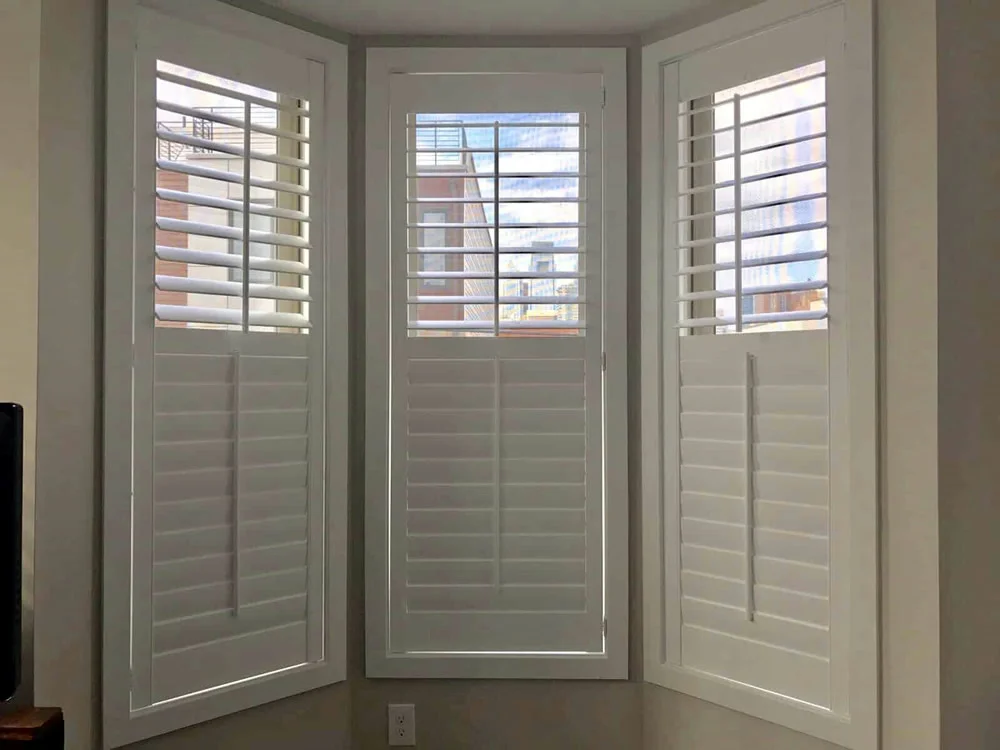
California just rewrote the rules on window performance, and most homeowners have no idea yet. Starting January 1, 2026, updated Title 24 standards require windows to meet climate-zone-specific targets instead of one flat statewide number. That means the glass sitting in a big-box store bin might not even be legal to install in your zip code anymore. A lot of the confusion comes down to jargon nobody explains well: U-factor, SHGC, NFRC labels. Here's what actually matters when you're picking replacements this year.
Why the Rules Changed
California has 16 distinct climate zones, and each one now carries its own performance minimums for windows, doors, and skylights. A home in coastal Livermore doesn't lose or gain heat the same way a house in the desert does, so the state finally stopped pretending otherwise. If you're planning a window replacement in Livermore, CA, your contractor needs to pull the exact requirements for your zone before ordering anything.
The Two Numbers Worth Memorizing
Every window sold in the state carries an NFRC label, and two ratings on it decide almost everything. U-factor measures how much heat escapes through the frame and glass; lower numbers trap more warmth inside. SHGC, or Solar Heat Gain Coefficient, measures how much sun-driven heat passes through the glass itself. In hot inland areas, SHGC deserves more attention than U-factor, since blocking solar heat matters more than retaining it.
Frame Material Still Makes or Breaks Performance
Standard aluminum frames rarely meet current code anymore because bare metal conducts heat too efficiently. Vinyl and fiberglass frames insulate far better and have become the default choice for most retrofit projects. Thermally broken aluminum exists for homeowners who want that slim sightline without sacrificing compliance, though it costs more upfront. Window style matters too: fixed picture windows seal tighter than anything with moving parts, since they have no hinges or tracks to leak air through.
Budgeting Without Overspending
Triple-pane glass sounds impressive, but it's not necessary everywhere. Dual-pane windows with argon fill and a solar-control Low-E coating clear code in most zones and cost noticeably less. Federal tax credits for window upgrades expired, so local utility rebates are now the best lever for trimming costs. An affordable window replacement doesn't mean cutting corners on glass quality; it usually means matching the spec to your actual climate zone instead of overbuying performance you'll never notice.
The Bottom Line
Pick windows rated for your specific climate zone, prioritize SHGC in hot areas, and choose a frame material that won't fight the glass package you're installing. Get that combination right, and the payoff shows up on every utility bill.