
 Australia
 Canada
 Cayman Islands
 Dominican Republic
 Hong Kong
 India
India
 Indonesia
 Ireland
 Jamaica
 New Zealand
 Singapore
 Thailand
 United Kingdom
 Vietnam

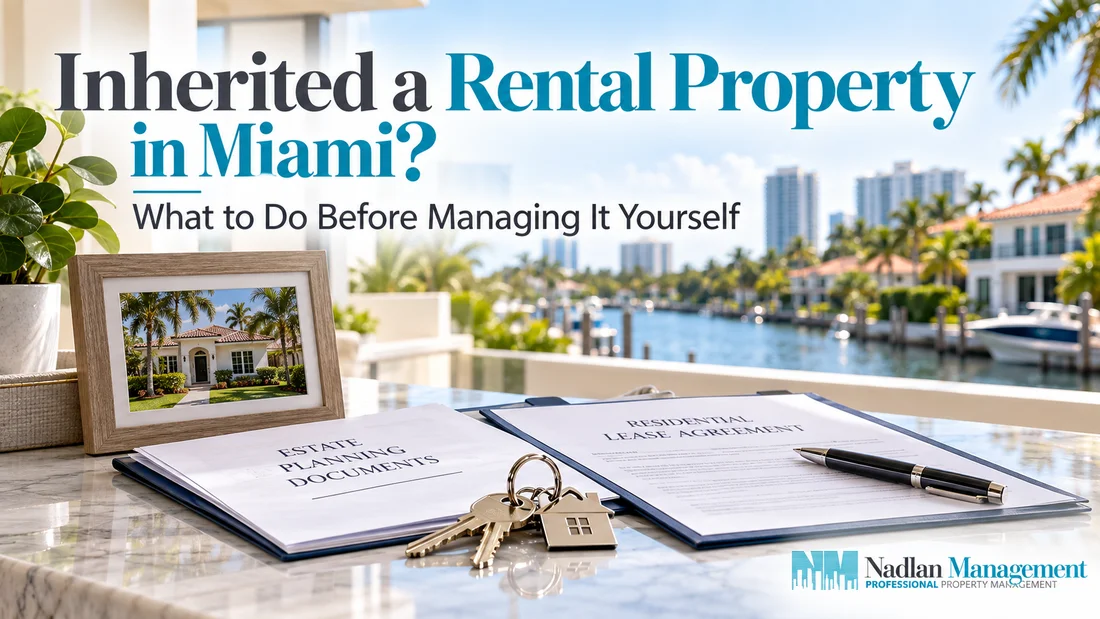
Taking responsibility for an existing rental property can be very different from purchasing a vacant home.
A new owner may be stepping into a property that already has tenants, leases, maintenance history, vendors and established rental income.
Before changing how the property is managed, it is important to understand exactly how it is currently operating.
Review the Existing Leases
Start by gathering every current lease and reviewing the important terms.
Identify which units are occupied, how much each tenant is paying and when each agreement expires.
This creates a clear picture of the existing rental operation and helps identify upcoming renewals or vacancies.
Confirm the Current Rent Collection
Review the payment history for each tenant.
Determine whether everyone is current, whether any balances remain outstanding and how consistently rent has been collected.
The actual rent being received is more useful than simply looking at what the property was expected to produce.
Inspect the Property
A physical inspection can uncover issues that may not appear in financial records.
Review the general condition of the property and identify repairs or maintenance that need attention.
Depending on the property, this may include air conditioning, plumbing, electrical items, appliances, roofing, common areas and individual rental units.
The objective is to understand the property's condition before problems become emergencies.
Review Previous Maintenance
Existing repair records can provide valuable information.
They may identify recurring problems and show which contractors have previously worked at the property.
Understanding prior maintenance can help a new owner develop a more organized plan going forward.
Organize the Tenant Files
Each tenancy should have clear documentation.
This may include the lease, payment history, contact information, notices, maintenance records and other relevant documents.
Keeping organized tenant records becomes increasingly important when managing multiple units.
Establish a Communication Process
Tenants should know who to contact about rent, repairs, access and other property matters.
A clear communication system helps avoid confusion when management responsibility changes.
It also creates a more consistent way to document requests and follow-up.
Evaluate Current Rental Rates
Existing rental rates may differ from current market conditions.
Compare the units with similar rentals in the surrounding area while also considering property condition, current competition and the terms of existing agreements.
The objective is to understand the property's position in the market before making future leasing decisions.
Decide How Much Management You Want to Handle
Rental ownership involves more than collecting rent.
Leasing, tenant communication, maintenance coordination, inspections, payment tracking, bookkeeping and turnovers all require ongoing attention.
Some owners prefer to handle these responsibilities themselves.
Others choose professional property management so they can remain focused on the investment while a local team manages day-to-day operations.
Create a Plan Before Making Changes
Avoid changing everything at once.
First understand the tenants, leases, income, maintenance needs and overall property condition.
Once that information is organized, it becomes much easier to decide what should be improved and in what order.
Nadlan Management provides full-service rental property management throughout Miami-Dade and Broward Counties.
We manage single-family rentals, multifamily and apartment properties, commercial properties and industrial rental properties.
Services include leasing, tenant screening, rent collection, maintenance coordination, property inspections, tenant communication, lease administration, bookkeeping and monthly owner reporting.
Learn more at NadlanManagement.com.