 Australia
 Canada
 Cayman Islands
 Dominican Republic
 Hong Kong
 India
India
 Indonesia
 Ireland
 Jamaica
 New Zealand
 Singapore
 Thailand
 United Kingdom
 Vietnam

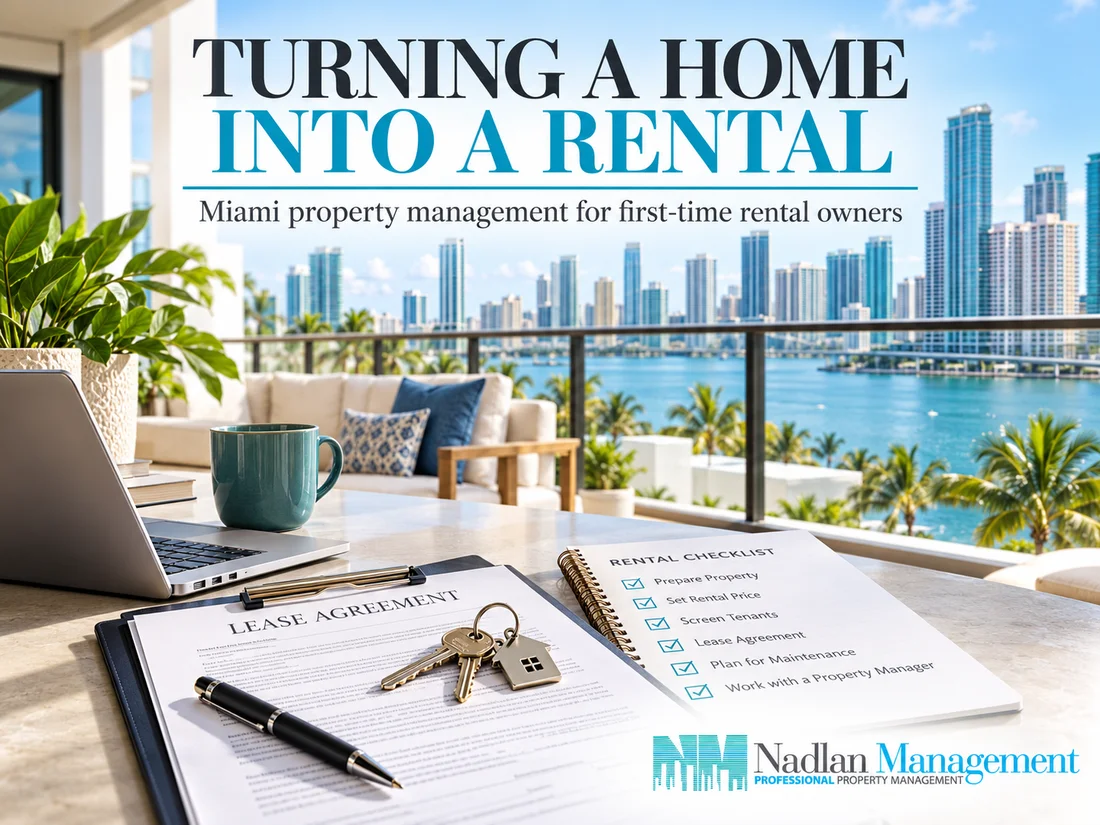
A property does not have to be purchased as an investment to eventually become a rental.
Many Miami owners decide to rent a former primary residence, condominium, townhouse or second home rather than sell it.
The transition can create a new source of income, but owning a home and operating a rental property are very different responsibilities.
Before putting a property on the rental market, owners in Miami-Dade and Broward Counties should think through several important issues.
Understand the Local Rental Market
The first question is what the property can realistically rent for.
Owners should compare similar rentals in the surrounding area and consider differences in size, condition, location, parking, amenities and overall presentation.
The amount originally paid for the property or the owner's monthly expenses do not determine market rent.
Current tenant demand and competing rental inventory matter much more.
Look at the Property From a Tenant's Perspective
A home that worked perfectly for the owner may need different attention when it becomes a rental.
Potential tenants will compare it with other available properties.
Owners should think about general condition, cleanliness, appliances, flooring, paint, lighting and whether anything obvious may make the property harder to rent.
The goal is not necessarily to renovate everything.
It is to understand how the property compares with competing rentals.
Decide What Will Stay With the Property
Former residences sometimes contain furniture, electronics, decorations or other personal items.
Owners should decide what will remain and what should be removed before marketing begins.
A clear decision early can make photographs, showings and move-in preparation much easier.
Think About Ongoing Expenses
Rental income is only one side of the financial picture.
Owners should also consider normal operating expenses such as maintenance, repairs, insurance, property taxes, association costs where applicable and periods of vacancy.
Looking at expected income without considering expenses can create an unrealistic picture of how the rental may perform.
Prepare for Maintenance
Once a tenant occupies the property, repair issues become part of operating the rental.
Air conditioning, plumbing, appliances and other components may eventually require attention.
Owners should consider how maintenance will be coordinated and how tenants will report problems.
This becomes especially important for owners who move away from South Florida.
Plan the Leasing Process
Finding a tenant involves more than advertising the property.
Owners need a process for marketing, responding to inquiries, showing the property, reviewing applications, screening prospective tenants and preparing the lease.
Having an organized leasing process can help reduce confusion and unnecessary delays.
Consider Tenant Screening Carefully
The goal is not simply to find someone willing to pay the asking rent.
Owners generally want a consistent process for evaluating prospective tenants using appropriate screening criteria.
A strong tenant placement can have a major effect on the overall experience of owning a rental property.
Think About Who Will Handle Tenant Communication
Tenants may have questions regarding rent, maintenance, access, lease terms and other property matters.
Some owners are comfortable handling these conversations personally.
Others prefer to separate themselves from day-to-day tenant interaction.
The right approach depends on how involved the owner wants to be.
Plan for Rent Collection and Recordkeeping
Once the property becomes a rental, income and expenses should be organized.
Owners should have a clear way to track rent payments, property expenses and other activity associated with the rental.
Good records make it easier to understand how the property is actually performing over time.
Consider What Happens if the Owner Moves Away
A common reason homes become rentals is that the owner relocates.
Managing a Miami rental from another city or state can make routine responsibilities more difficult.
Vendor coordination, tenant communication, leasing and property-related issues may all require local attention.
Owners should decide whether they want to manage those responsibilities remotely or use professional Miami property management.
Owning a Rental Is Different From Owning a Home
The biggest adjustment is often changing how the property is viewed.
A former home may have personal or emotional value to the owner.
Once it becomes a rental, decisions increasingly need to be based on tenant demand, operating costs, property condition and long-term investment performance.
Treating the property as an income-producing asset can help owners make more objective decisions.
Miami Property Management for New Rental Property Owners
Nadlan Management provides full-service Miami property management for private property owners and real estate investors throughout Miami-Dade and Broward Counties.
We work with owners of single-family homes, condominiums, multifamily and apartment properties, commercial properties and industrial rental properties.
Our property management services include rental marketing and leasing, tenant screening, rent collection, maintenance coordination, tenant communication, lease administration, bookkeeping and monthly owner reporting.
Whether a property was purchased as an investment or is becoming a rental for the first time, professional property management can help owners separate property ownership from the recurring responsibilities of operating the rental.
Learn more at NadlanManagement.com