
 Australia
 Canada
 Cayman Islands
 Dominican Republic
 Hong Kong
 India
 Indonesia
 Ireland
 Jamaica
 New Zealand
 Singapore
 Thailand
 United Kingdom
 Vietnam

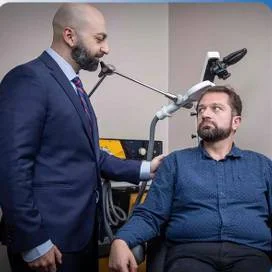
Living with persistent pain can make even the simplest daily activities difficult. Whether you experience burning sensations in your feet, tingling in your hands, sharp nerve pain, muscle weakness, or ongoing discomfort throughout your body, chronic pain can affect your mobility, sleep, work, and overall quality of life. Finding the right Pain Control Clinic is an important step toward understanding your symptoms and exploring appropriate treatment options.
A professional pain control clinic focuses on evaluating the possible causes of pain and developing treatment approaches based on each patient's individual needs. Rather than simply addressing discomfort, an appropriate pain management plan considers the underlying condition, medical history, symptoms, and daily challenges.
For individuals searching for professional neuropathy and nerve pain care in Queens, Neuropathy Treatment Doctor Queens is a business name associated with neuropathy treatment services. Patients interested in learning more about available neuropathy treatment information can visit:
https://www.neuroinjuryspecialists.com/nerve-pain/neuropathy/
For appointments and inquiries, call 718-550-2171.
Common Causes of NeuropathyNeuropathy can develop for several reasons. Identifying the underlying cause is an important part of creating an appropriate treatment plan.
1. DiabetesDiabetes is one of the common causes of peripheral neuropathy. Persistently elevated blood glucose levels can damage nerves over time.
Diabetic neuropathy frequently affects the feet and legs, although the hands and other areas can also be involved.
Symptoms may include burning pain, numbness, tingling, and reduced sensation.
People living with diabetes should pay particular attention to changes in foot sensation because reduced feeling can make injuries harder to recognize.
2. Nerve CompressionNerves can become compressed when surrounding tissues, muscles, or structures place excessive pressure on them.
Conditions such as carpal tunnel syndrome, tarsal tunnel syndrome, and certain spinal disorders can produce nerve-related symptoms.
Depending on the location, patients may experience pain, tingling, numbness, or weakness in the affected area.
3. Physical InjuriesAccidents, falls, sports injuries, and other forms of physical trauma can damage nerves.
Some injuries cause immediate symptoms, while others lead to persistent discomfort that develops over time.
An evaluation can help determine whether nerve irritation or damage may be contributing to the patient's pain.
4. Vitamin DeficienciesCertain nutritional deficiencies, particularly deficiencies involving vitamin B12, may contribute to nerve dysfunction.
A healthcare professional may recommend laboratory testing when nutritional problems are suspected.
5. Autoimmune ConditionsCertain autoimmune diseases can affect peripheral nerves. These conditions may cause inflammation or other changes that interfere with normal nerve function.
6. Other Medical ConditionsKidney disease, infections, hereditary disorders, exposure to certain toxins, and some medications can also contribute to neuropathy.
Because neuropathy has multiple potential causes, patients should avoid assuming that all tingling or burning sensations are caused by diabetes.
