Australia
 Canada
 Cayman Islands
 Dominican Republic
 Hong Kong
 India
 Indonesia
 Ireland
 Jamaica
 New Zealand
 Singapore
 Thailand
 United Kingdom
 Vietnam

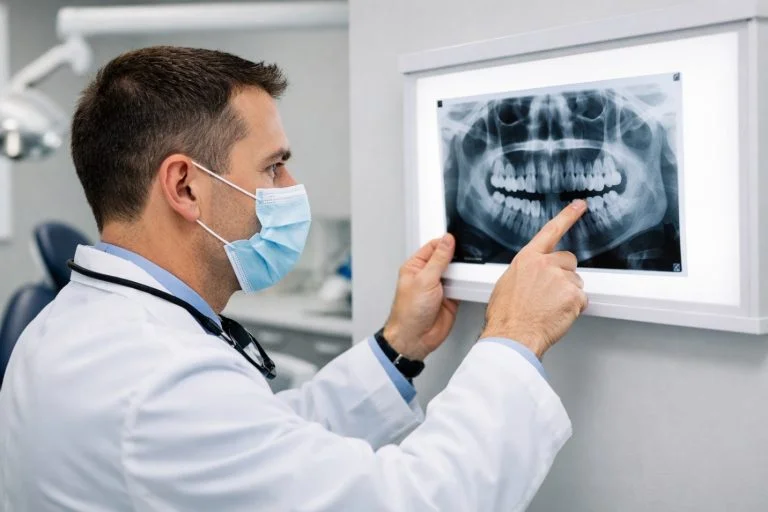
Oral health sometimes requires more than routine dental care. Certain dental conditions, damaged teeth, impacted wisdom teeth, and jaw-related concerns may require specialized treatment. In these situations, consulting an experienced Oral Surgeon can help patients understand their treatment options and determine the appropriate next steps. Oral surgery addresses a range of concerns involving the teeth, mouth, jaw, and surrounding facial structures.
For individuals in Clifton, NJ, Oral Surgery & Tooth Extraction provides information and treatment options for different oral surgery needs. The practice offers services that include tooth extractions, wisdom teeth removal, dental implant surgery, corrective jaw surgery, and oral and maxillofacial procedures. With an emphasis on consultations and individualized treatment planning, patients can discuss their concerns and learn more about available procedures.
Located at 1030 Clifton Ave, Clifton, NJ 07013, the practice provides oral surgery services for patients seeking professional dental care in the area.
What Does an Oral Surgeon Do?An Oral Surgeon is a dental professional who performs surgical procedures involving the mouth, teeth, jaw, and facial areas. Oral surgery may be recommended when a dental concern requires treatment beyond standard dental procedures.
These professionals address different conditions, including damaged teeth, impacted wisdom teeth, missing teeth requiring dental implants, and certain jaw-related problems. The recommended procedure depends on the patient's dental condition, examination findings, and individual treatment needs.
Oral surgery can serve several purposes, including removing problematic teeth, restoring missing teeth, addressing structural concerns, and improving oral function. A consultation helps determine which treatment options may be appropriate.
Understanding Tooth ExtractionTooth Extraction is a dental procedure involving the removal of a tooth from its socket. Although preserving natural teeth is generally preferred whenever possible, extraction may become necessary when a tooth is severely damaged, affected by significant decay, or cannot be appropriately restored.
Other situations may involve impacted wisdom teeth, overcrowding, dental trauma, or advanced dental conditions.
Before recommending an extraction, the dental professional evaluates the affected tooth and surrounding area. This assessment helps determine whether removal is necessary and whether a simple or more involved surgical approach may be appropriate.
Patients can discuss their concerns, understand the procedure, and ask questions about the available treatment options during their consultation.
Types of Oral Surgery ServicesOral surgery covers several procedures designed to address different dental and facial conditions. Understanding these services can help patients make informed decisions about their oral health.
1. Tooth ExtractionsTooth extraction is one of the common procedures performed as part of oral surgery. It may be recommended when a tooth is too damaged to restore or when keeping it could contribute to additional dental problems.
The dental professional evaluates the tooth before determining the appropriate approach. The procedure may involve removing an individual tooth or addressing multiple teeth, depending on the patient's needs.
Following the procedure, patients receive post-operative instructions to help them understand the recovery process.
2. Wisdom Teeth RemovalWisdom teeth are the last molars to develop and may sometimes become impacted or create dental concerns. When these teeth do not have enough room to emerge properly, removal may be considered.
Wisdom teeth removal is an important part of oral surgery because impacted teeth may require a surgical approach rather than a routine extraction.
An evaluation helps determine the position of the wisdom teeth and whether removal is appropriate. Patients can discuss the procedure and expected recovery considerations during their consultation.
3. Oral Implant SurgeryMissing teeth can affect everyday oral function and the appearance of a smile. Dental implant surgery provides an option for replacing missing teeth through the placement of dental implants into the jawbone.
Implants are designed to provide a stable foundation for replacement teeth. The treatment process depends on individual dental needs and the condition of the patient's oral structures.
Consultation and treatment planning help determine whether implant surgery is a suitable option.
4. Corrective Jaw SurgeryCorrective jaw surgery, also known as orthognathic surgery, addresses certain jaw alignment concerns. Jaw-related problems can affect oral function and the relationship between the upper and lower jaws.
This type of surgery may be considered when structural concerns require more advanced treatment. A professional evaluation helps determine the nature of the problem and the available treatment possibilities.
5. Oral and Maxillofacial SurgeryOral and maxillofacial surgery addresses conditions involving the mouth, jaw, and facial structures. These procedures can involve more complex dental and facial concerns.
Treatment recommendations depend on the condition being evaluated and the patient's individual needs. A consultation provides an opportunity to discuss the concerns and understand the proposed treatment approach.
What to Expect During an Oral Surgery ConsultationUnderstanding the consultation process can make preparing for oral surgery easier. A proper evaluation allows the dental professional to review the patient's condition and discuss suitable treatment options.
The oral surgery process generally involves several stages.
Initial Consultation
The process begins with a consultation. During this appointment, the dental professional reviews the patient's medical history, examines the dental concern, and discusses individual treatment needs.
Diagnostic Evaluation
X-rays or other imaging may be used to evaluate the teeth, jaw, and surrounding structures. These images help support treatment planning and provide additional information about the condition being addressed.
Treatment Planning
After the examination, the available treatment options are discussed. Patients can ask questions about the recommended procedure, expected duration, and preparation requirements.
Surgical Procedure
The procedure depends on the type and complexity of the treatment. Anesthesia may be administered according to the procedure and individual needs.
Post-Operative Instructions
After surgery, patients receive instructions about recovery and follow-up care. These instructions may include guidance about prescribed medications, ice packs, and maintaining a soft-food diet for several days.
Following the dental professional's recommendations is important during the recovery period.
Preparing for Oral SurgeryPreparation is an important part of the oral surgery process. Understanding the instructions provided during consultation can help patients plan for their procedure and recovery.
Some general preparation considerations include:
Discussing Medical History: Share relevant medical information, current medications, and known allergies during the consultation.
Following Pre-Surgery Instructions: Carefully follow the instructions provided by the dental professional before the procedure.
Reviewing Medication Information: Discuss medications and supplements with the dental team to understand whether any adjustments are necessary.
Preparing for Recovery: Arrange a comfortable place to rest and prepare suitable soft foods if recommended.
Planning Post-Surgery Support: Depending on the procedure and anesthesia, transportation or assistance from a family member may be necessary.
Individual preparation requirements can vary, so patients should follow the specific instructions provided for their treatment.
Understanding Recovery After Tooth ExtractionRecovery is an important consideration when planning a Tooth Extraction. The healing process can vary depending on the number of teeth removed, the complexity of the procedure, and individual circumstances.
After an extraction, patients may receive instructions about pain management, swelling, eating, and general oral care.
A soft-food diet may be recommended for several days to support the healing process. Ice packs may also be suggested to help manage swelling, while prescribed medications should be taken according to professional instructions.
Follow-up appointments may be scheduled to monitor healing and address questions about recovery.
Patients should contact their dental professional if they have concerns or questions about their recovery.
Why Individualized Oral Surgery Treatment MattersEvery patient's dental needs are different. A procedure that is appropriate for one person may not be suitable for someone with a different dental condition.
Individualized treatment planning allows the dental professional to consider the patient's medical history, examination findings, and specific concerns before recommending a procedure.
Whether someone is considering wisdom teeth removal, dental implants, or a necessary tooth extraction, understanding the available options is an important part of the process.
Oral Surgery & Tooth Extraction emphasizes consultation and treatment planning to help patients understand their individual needs rather than relying on a one-size-fits-all approach.
Choosing an Oral Surgeon in Clifton, NJFinding an Oral Surgeon involves considering the type of treatment needed, the consultation process, and the availability of appropriate dental services.
Patients researching oral surgery in Clifton may want to understand:
Which oral surgery procedures are available.
Whether wisdom teeth removal is offered.
What options exist for damaged or impacted teeth.
Whether dental implant surgery is available.
How consultations and diagnostic evaluations are handled.
What post-operative instructions are provided.
Having clear information about these areas can make it easier to discuss treatment decisions with a dental professional.
Oral Surgery & Tooth Extraction provides information about several oral surgery procedures, including tooth extractions, dental implants, corrective jaw surgery, and oral and maxillofacial surgery.
Schedule an Oral Surgery Consultation in Clifton, NJWhen dental concerns require surgical attention, a professional consultation is an important first step. Understanding the condition, reviewing available procedures, and discussing individual treatment needs can help patients make informed decisions about their oral health.
Oral Surgery & Tooth Extraction provides oral surgery services in Clifton, NJ, including tooth extractions, wisdom teeth removal, dental implant surgery, and corrective jaw surgery.
Patients interested in learning more about available services can visit the website or contact the practice to ask about consultation appointments.
Business Name: Oral Surgery & Tooth Extraction
Location: 1030 Clifton Ave, Clifton, NJ 07013
Website: https://cliftonsdentist.com/oral-surgery/