
 Australia
 Canada
 Cayman Islands
 Dominican Republic
 Hong Kong
 India
India
 Indonesia
 Ireland
 Jamaica
 New Zealand
 Singapore
 Thailand
 United Kingdom
 Vietnam

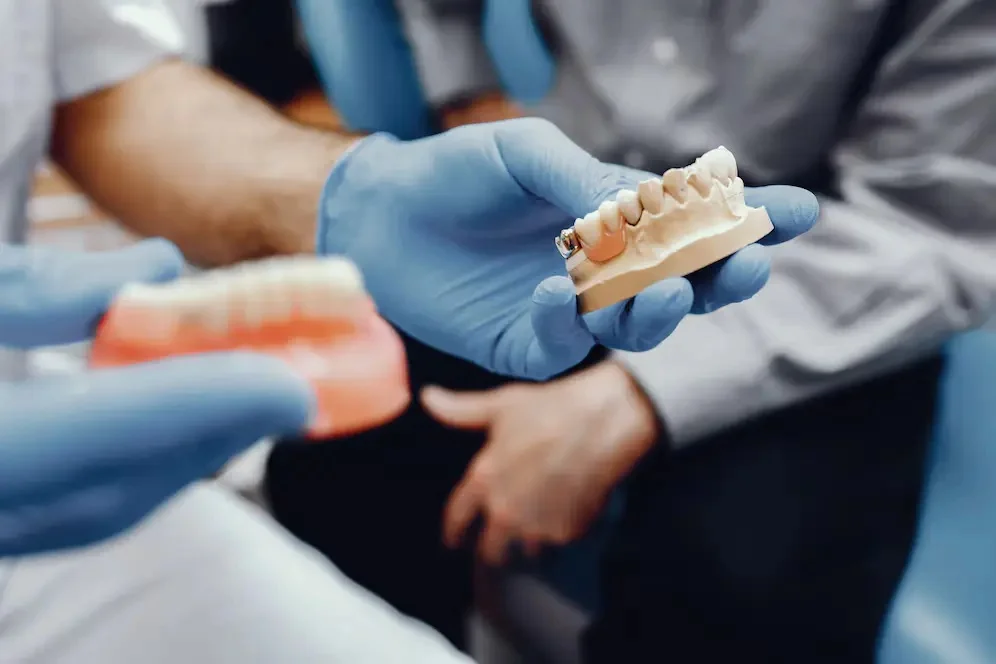
Discover the benefits of porcelain veneers and how they can help improve the appearance of your smile. Porcelain veneers are thin, custom-made shells designed to cover the front surfaces of teeth, helping address common cosmetic concerns such as chips, gaps, stains, uneven edges, and misshapen teeth. With careful planning and professional placement, veneers can create a balanced, natural-looking smile that complements your facial features and personal preferences.
What Are Porcelain Veneers?Porcelain veneers are cosmetic dental restorations created to improve the visible appearance of teeth. They are made from dental porcelain, a material valued for its ability to reflect light in a way that resembles natural tooth enamel. Each veneer is customized to suit the shape, size, and color of the teeth, helping create a consistent and attractive smile.
Patients who are unhappy with certain cosmetic imperfections may consider veneers as one possible treatment option. For example, teeth with persistent discoloration may benefit from veneers when traditional whitening is not sufficient. Minor chips, small gaps, and irregular tooth shapes may also be addressed through a personalized veneer treatment plan.
The purpose of porcelain veneers is to improve the appearance of the smile while maintaining appropriate tooth function. A dental professional evaluates each patient's oral health, cosmetic concerns, and expectations before recommending treatment. This assessment helps determine whether veneers are appropriate or whether another cosmetic dental procedure may be more suitable.
Benefits of Porcelain VeneersPorcelain veneers offer several aesthetic advantages for patients interested in improving their smiles. One of their main benefits is their ability to address multiple cosmetic concerns through a customized treatment approach. Rather than focusing on a single imperfection, veneers can help create a more uniform appearance across the treated teeth.
Natural-Looking ResultsPorcelain closely resembles natural enamel because of its color and light-reflecting properties. This allows dentists to select shades and shapes that complement the surrounding teeth. Properly designed veneers can blend naturally with the smile rather than appearing noticeably different from the other teeth.
Customization is an important part of achieving attractive results. Tooth proportions, shade selection, facial features, and the appearance of neighboring teeth all contribute to the final outcome. A personalized treatment plan helps ensure that the veneers suit the patient's individual smile.
Improved Tooth ColorTooth discoloration can develop for different reasons, including aging, certain foods and drinks, and other staining factors. Although professional whitening can help with many types of discoloration, some stains may be more difficult to improve with whitening alone.
Porcelain veneers can provide an alternative for selected patients who want to change the visible color of their teeth. Their shade is chosen during treatment planning to create a balanced appearance. Patients should discuss their preferred results with their dentist before the final color is selected.
Correction of Minor ImperfectionsSmall chips, uneven edges, gaps, and certain shape irregularities can affect the overall appearance of a smile. Depending on the condition of the teeth, porcelain veneers may help improve these concerns by covering the visible front surfaces.
Every smile is different, so the number of veneers needed and the extent of correction will vary. A dentist evaluates the alignment, condition, and structure of the teeth before deciding whether veneers can provide an appropriate solution.
Resistance to Surface StainingPorcelain is generally resistant to many common surface stains, which can help veneers maintain their appearance over time. However, stain resistance does not mean that veneers are completely immune to discoloration or that the surrounding natural teeth will remain the same shade.
Regular dental care and professional examinations are important for maintaining the appearance of veneers. Patients should also understand that whitening treatments do not change the color of existing porcelain restorations in the same way they affect natural teeth.
The Porcelain Veneers ProcedureUnderstanding the treatment process can help patients feel more prepared when considering porcelain veneers. Although the exact procedure varies according to individual needs, treatment generally involves consultation, preparation, custom fabrication, and placement.
Initial Consultation and Dental EvaluationThe first step is a consultation with a dental professional. During this appointment, patients can explain their cosmetic concerns, describe their preferred smile appearance, and ask questions about treatment.
The dentist examines the teeth and gums, reviews the patient's oral health, and determines whether veneers are a suitable option. Existing cavities, gum problems, or other dental concerns may need attention before cosmetic treatment begins.
This appointment is also an opportunity to discuss the benefits, limitations, expected maintenance, and alternatives to veneers. Clear communication helps establish realistic expectations and supports an informed treatment decision.
Tooth PreparationWhen porcelain veneers are appropriate, the dentist may need to remove a small amount of enamel from the front surfaces of the selected teeth. The amount of preparation depends on the planned restoration and the condition of the teeth.
Tooth preparation helps create space for the veneers and supports a natural fit. Because traditional veneer treatment generally involves removing some enamel, the procedure is usually considered irreversible. Patients should discuss this important consideration with their dentist before proceeding.
In suitable cases, alternative approaches may involve less preparation. However, not every patient is a candidate for minimal-preparation or no-preparation veneers. The dentist determines the appropriate method based on the patient's dental anatomy and treatment goals.
Custom Veneer FabricationAfter preparation, impressions or digital scans are taken to capture the details of the teeth. These records are used to create custom veneers designed to fit the prepared surfaces.
The laboratory fabrication process focuses on factors such as tooth shape, size, shade, and the relationship between the veneers and neighboring teeth. Accurate customization helps support a comfortable fit and a natural-looking result.
Depending on the treatment plan, temporary restorations may be provided while the permanent veneers are being made. The dentist explains what patients should expect during this stage and how to care for their teeth until the final appointment.
Veneer Placement and Final AdjustmentsWhen the custom veneers are ready, the dentist checks their fit, shape, and color. Adjustments may be made before the veneers are permanently bonded to the teeth.
The teeth and veneers are prepared according to the bonding procedure, and the restorations are carefully positioned. The dentist then checks the patient's bite and makes any necessary final adjustments.
The goal is to create a comfortable result that supports normal speaking and chewing while improving the appearance of the smile. Patients receive guidance on caring for their new restorations and maintaining their oral health after treatment.
Who May Be a Candidate for Porcelain Veneers?Porcelain veneers may be suitable for adults who want to improve the appearance of otherwise healthy teeth. People with persistent discoloration, minor chips, small gaps, or irregular tooth shapes may benefit from a professional evaluation.
However, veneers are not appropriate for every dental condition. Patients with untreated tooth decay, active gum disease, significant enamel loss, or certain bite problems may require other treatments before considering cosmetic restorations.
Habits such as teeth grinding or clenching can also affect the suitability and longevity of veneers. A dentist may recommend protective measures, such as a night guard, when appropriate.
During the consultation, patients should share their dental history, current concerns, and expectations. This information helps the dental team determine whether veneers are appropriate and whether other options may provide better results.
Porcelain Veneers Compared with Other Cosmetic TreatmentsSeveral dental treatments can improve the appearance of a smile, but each option serves a different purpose. Understanding these differences can help patients discuss the most appropriate approach with their dentist.
Professional teeth whitening is often considered when the main concern is discoloration of natural teeth. It does not correct chips, gaps, or tooth shape. Dental bonding may be useful for selected minor imperfections and can sometimes involve less removal of natural tooth structure than veneers.
Orthodontic treatment may be more appropriate when tooth alignment or bite correction is the primary concern. Crowns may be recommended when a tooth requires more extensive structural coverage or protection.
Porcelain veneers are generally considered when the goal is to improve the visible surfaces of teeth by addressing concerns such as color, shape, and minor irregularities. The best choice depends on the patient's oral health, treatment objectives, and the condition of the natural teeth.
How to Care for Porcelain VeneersGood oral hygiene is essential for protecting porcelain veneers and the natural teeth beneath them. Although porcelain does not decay, the underlying tooth structure can still develop cavities, and the surrounding gums can become inflamed if plaque is not removed regularly.
Maintain a Consistent Oral Hygiene RoutineBrush your teeth twice daily using a soft-bristled toothbrush and fluoride toothpaste. Clean carefully around the gumline and the edges of the veneers to help remove plaque and food particles.
Floss daily to clean between the teeth and around the areas that a toothbrush cannot easily reach. Your dentist may recommend additional cleaning tools depending on your individual needs.
Avoid Excessive Pressure on Your TeethPorcelain veneers are durable, but they can chip or fracture under excessive force. Avoid using your teeth to open packaging, bite fingernails, or chew hard objects. These habits can damage veneers as well as natural teeth.
If you grind or clench your teeth, inform your dentist. A properly fitted night guard may help reduce excessive pressure on the restorations during sleep.
Attend Regular Dental CheckupsRoutine dental examinations allow your dentist to monitor the condition of your veneers, gums, and surrounding teeth. Professional cleaning can help maintain oral health and identify potential concerns before they become more serious.
If you notice a change in your bite, discomfort, looseness, or damage to a veneer, contact your dental office for an evaluation. Avoid attempting to repair or reposition a damaged veneer yourself.
Be Mindful of Food and DrinkPorcelain veneers resist many common stains, but good dietary habits remain beneficial for overall oral health. Frequent consumption of sugary foods and drinks can increase the risk of cavities in natural teeth, while highly acidic beverages may contribute to enamel erosion.
Maintaining a balanced diet, drinking water regularly, and following your dentist's recommendations can help protect your smile.
How Long Do Porcelain Veneers Last?The lifespan of porcelain veneers depends on several factors, including the quality of the restoration, the condition of the underlying teeth, oral hygiene, bite forces, and everyday habits. With appropriate care, porcelain veneers can last for many years, although they may eventually require repair or replacement.
Patients can support the longevity of their restorations by maintaining good oral hygiene, attending regular dental visits, avoiding habits that place excessive pressure on the teeth, and following professional recommendations.
It is also important to understand that veneers do not prevent every dental problem. The natural teeth and gums still require ongoing care, and changes in oral health may affect the restorations over time.
Choosing a Personalized Porcelain Veneers Treatment PlanA successful veneer treatment begins with a clear understanding of the patient's goals and dental needs. Some patients want a brighter smile, while others are concerned about uneven edges, gaps, or the shape of individual teeth.
The dentist considers these preferences alongside oral health, tooth structure, bite alignment, and the amount of enamel available for preparation. This assessment helps determine the appropriate treatment approach and whether veneers are likely to achieve the desired result.
Patients should feel comfortable asking about material options, preparation requirements, expected maintenance, possible risks, and alternative procedures. Discussing these details before treatment helps establish realistic expectations and supports better decision-making.
Schedule a Consultation for Porcelain VeneersIf you are interested in improving your smile, Clifton's Dentist can be a starting point for learning more about cosmetic dental care and available treatment options. A professional consultation allows you to discuss your concerns, receive an assessment of your teeth, and determine whether porcelain veneers are suitable for your needs.
The dental team can explain the steps involved in veneer treatment, discuss the expected benefits and limitations, and provide guidance on maintaining your results. Every patient has different goals, so a personalized approach is important when planning cosmetic dental treatment.
With careful evaluation, appropriate placement, and consistent oral hygiene, long-lasting veneers may help improve the color, shape, and overall appearance of your smile.
Schedule a consultation to explore your options and take an informed step toward a smile that looks natural, feels comfortable, and reflects your personal preferences.
Frequently Asked Questions About Porcelain Veneers1. What are porcelain veneers used for?Porcelain veneers are used to improve the visible appearance of teeth by addressing selected cosmetic concerns, including discoloration, minor chips, small gaps, uneven edges, and irregular tooth shapes. A dentist evaluates each patient's needs to determine whether veneers are appropriate.
2. Do porcelain veneers look natural?Porcelain veneers can look natural when their color, shape, size, and placement are carefully planned. Dental porcelain has light-reflecting properties that resemble natural enamel, helping the restorations blend with surrounding teeth.
3. Is the porcelain veneer procedure permanent?Traditional porcelain veneer treatment generally involves removing some enamel, making the procedure irreversible. Patients should understand the long-term commitment and discuss preparation requirements and alternative treatments with their dentist before proceeding.
4. Are porcelain veneers resistant to stains?Porcelain is resistant to many common surface stains. However, the surrounding natural teeth may still become discolored, and the edges of restorations require proper care. Regular oral hygiene and dental checkups help maintain the overall appearance of the smile.
5. How should I care for porcelain veneers?Brush twice daily with a soft-bristled toothbrush and fluoride toothpaste, floss daily, attend regular dental checkups, and avoid biting hard objects. Patients who grind or clench their teeth should ask their dentist about protective options.
6. Can porcelain veneers fix gaps between teeth?Porcelain veneers may improve the appearance of selected small gaps between teeth. Larger gaps or significant alignment concerns may require orthodontic treatment or another approach. A dental evaluation helps identify the most suitable option.
7. Are porcelain veneers suitable for everyone?No. Veneers may not be appropriate for patients with untreated cavities, active gum disease, insufficient enamel, or certain bite problems. A dentist must assess oral health and tooth structure before recommending treatment.
8. How can I learn whether veneers are right for me?Schedule a consultation with a dental professional to discuss your cosmetic concerns, review your oral health, and learn about the benefits, limitations, and alternatives to porcelain veneers. A personalized evaluation is the best way to determine the appropriate treatment for your smile.