
 Australia
 Canada
 Cayman Islands
 Dominican Republic
 Hong Kong
 India
India
 Indonesia
 Ireland
 Jamaica
 New Zealand
 Singapore
 Thailand
 United Kingdom
 Vietnam

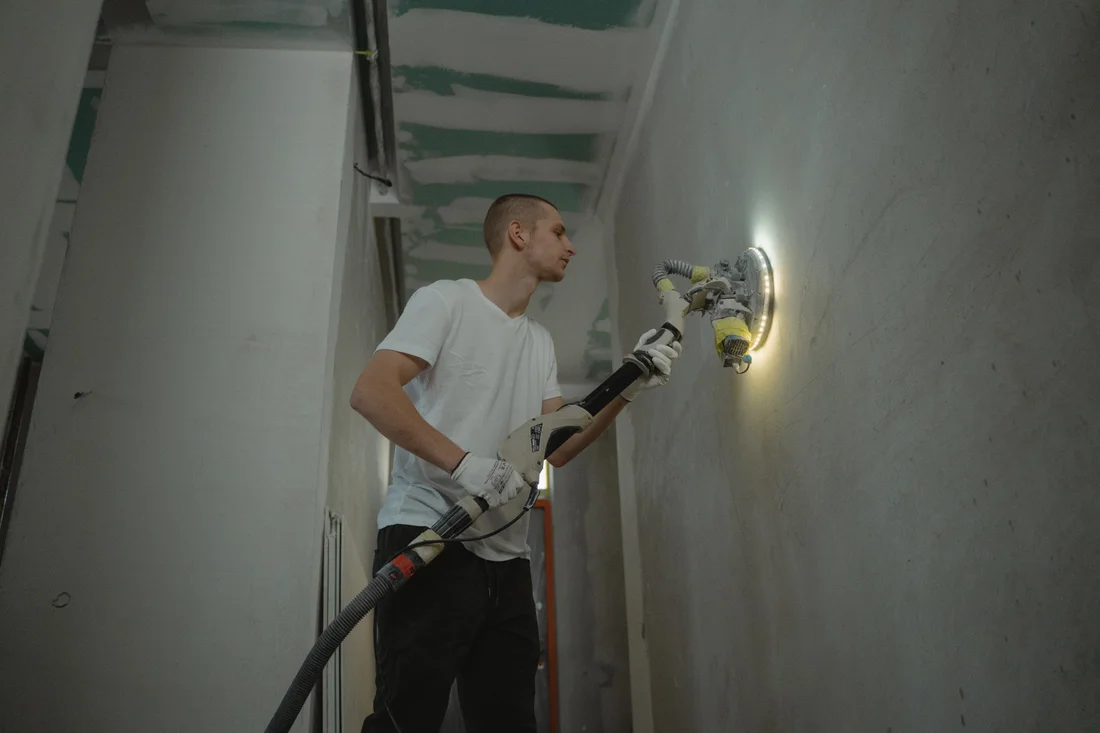
Knowing what to watch for early can make the difference between a manageable repair and a major disruption to your business.
Important Signs to Watch ForCracks Are One of the Most Visible Clues
Not every crack indicates a foundation problem, but certain patterns deserve closer attention. Watch for diagonal cracks across walls, stair-step cracks running through brick or concrete blocks, or cracks that continue to grow wider over time.
Cracks that repeatedly return after being patched are also worth investigating. While the crack itself may appear cosmetic, it can sometimes indicate movement occurring underneath the building.
Pay attention to changes in the floors throughout your commercial property. A floor that develops a noticeable slope, tiles that begin cracking in spreading patterns, or gaps appearing where walls meet floors or ceilings can all warrant further inspection.
These changes may indicate that the structure is responding to movement or settlement beneath it.
Doors and windows are often among the first things employees or tenants notice when a building begins experiencing movement.
A door that suddenly sticks, a window that's harder to open, or uneven gaps around frames that previously fit properly may seem like normal wear and tear. However, when several of these problems appear around the same time, they may point to a larger structural issue.
It's easy to dismiss a cracked wall or uneven floor as a cosmetic issue. The underlying foundation problem is more important.
A commercial building's foundation supports the structure, equipment, occupants, and everything else above it. When portions of the foundation settle or shift unevenly, the loads within the structure can change.
There are operational concerns as well:
Uneven floors can create trip hazards.
Doors that don't close correctly can affect security and fire safety.
Foundation cracks can allow moisture into the building.
Persistent moisture can damage equipment, inventory, and interior finishes.
Excess moisture can also contribute to mold and other indoor environmental concerns.
For commercial property owners and facility managers, these problems can eventually affect more than the building itself. Tenant complaints, business interruptions, repairs to damaged contents, and unexpected downtime can all add to the cost.
Foundation problems rarely become less complicated when they are ignored. A small crack may initially require little more than monitoring or a relatively straightforward repair. If the movement causing it continues, however, the eventual repair may become more extensive.
Commercial properties also have another factor to consider: disruption.
Repairing a foundation in an occupied building can affect employees, customers, tenants, equipment, and daily operations. Addressing a developing problem earlier may provide more flexibility when choosing a repair approach and scheduling the work.
Regular inspections can help identify changes before they become major problems. Facility managers should consider adding foundation and structural warning signs to their routine property maintenance checks.
The Occupational Safety and Health Administration's guidance on structural collapse also highlights the importance of recognizing and addressing serious structural concerns before they develop into emergencies.
When foundation movement is suspected, working with an experienced commercial foundation repair company can help determine what is actually happening beneath the visible damage.
Companies such as Ram Jack specialize in foundation repair and stabilization solutions for residential and commercial properties, making professional assessment an important consideration when warning signs begin appearing.
Start by documenting what you see. Take photos of cracks, note when they first appeared, and monitor whether they change over time. Check whether similar problems are occurring in other parts of the building.
If you notice multiple warning signs—or a single problem that is clearly getting worse—don't simply patch the visible damage and assume the problem is solved.
A professional foundation assessment can help identify the cause of the movement and determine whether the issue requires monitoring, maintenance, or a more comprehensive repair.
For commercial property owners, finding out what's happening early is almost always preferable to discovering the problem after it has already affected tenants, operations, or the building's structural performance.
When foundation problems are involved, knowing the cause is the first step toward protecting the property and avoiding unnecessary disruption later.