
 Australia
 Canada
 Cayman Islands
 Dominican Republic
 Hong Kong
 India
India
 Indonesia
 Ireland
 Jamaica
 New Zealand
 Singapore
 Thailand
 United Kingdom
 Vietnam

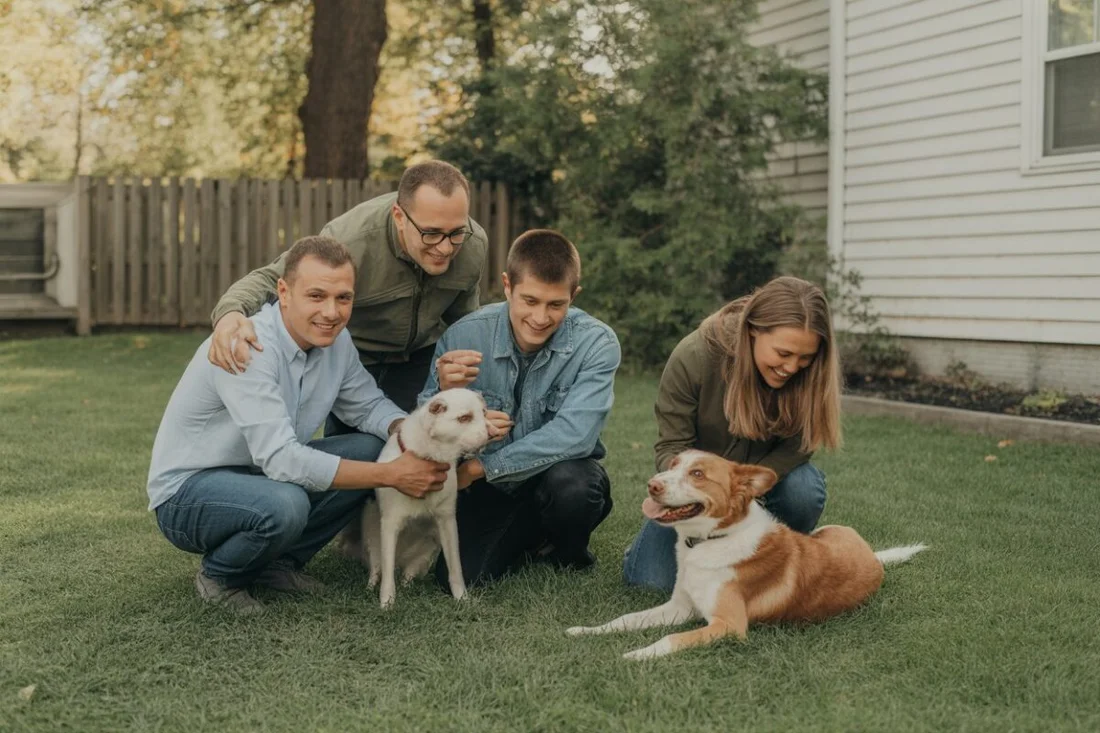
A denied pet insurance claim can feel personal, especially after a stressful vet visit. Most claim problems start before the form is submitted: a missed receipt, a misunderstood waiting period, or a treatment that falls under an exclusion. For pet parents comparing pet insurance in Greensboro, NC, the smartest move is to learn how claims are reviewed before an accident or illness turns urgent.
Know What Your Policy Actually Pays For
Pet insurance usually reimburses eligible costs after you pay the veterinarian. That means the bill, medical notes, diagnosis, and claim form all need to match. Accident and illness plans may cover injuries, diagnostics, surgery, medication, and treatment for new health problems. Routine checkups, vaccines, dental cleanings, and spay or neuter services often require a wellness add-on or are excluded. Read the sample policy, not just the sales page.
Watch Waiting Periods and Pre-Existing Conditions
A waiting period is the gap between buying coverage and when certain benefits begin. Costs tied to symptoms or treatment during that window may not qualify. Pre-existing conditions can also create confusion because a pet does not always need a formal diagnosis for an insurer to review earlier symptoms. Keep your pet’s medical history organized, especially if you recently adopted a dog or cat.
Match the Claim to the Right Paperwork
Small paperwork issues can slow payment. Submit an itemized invoice, proof of payment, and full medical records when requested. A credit card receipt alone rarely tells the whole story. Ask your vet’s office to include diagnosis codes or clear treatment notes if available. Before filing, check that the pet’s name, date of service, clinic name, and invoice total are accurate.
Understand Deductibles, Reimbursement, and Limits
A covered bill is not always reimbursed in full. Your deductible, reimbursement percentage, annual limit, and any per-condition cap affect the final amount. A $900 eligible bill with an 80 percent reimbursement rate does not mean an $900 payment. If the deductible has not been met, the payout may be lower than expected.
Ask Questions Before the Vet Bill Gets Complicated
Local guidance helps when policies sound similar but work differently at claim time. When comparing pet insurance providers, ask how fast claims are reviewed, whether exam fees are included, how appeals work, and which records are needed for first-time claims. A quick policy review can prevent confusion during a late-night emergency.
Final Check
Before you click submit, reread the policy section tied to the visit, gather complete records, and save copies. Clear expectations make pet insurance less frustrating when your pet needs care and money already feels tight.