 Australia
 Canada
 Cayman Islands
 Dominican Republic
 Hong Kong
 India
 Indonesia
 Ireland
 Jamaica
 New Zealand
 Singapore
 Thailand
 United Kingdom
 Vietnam

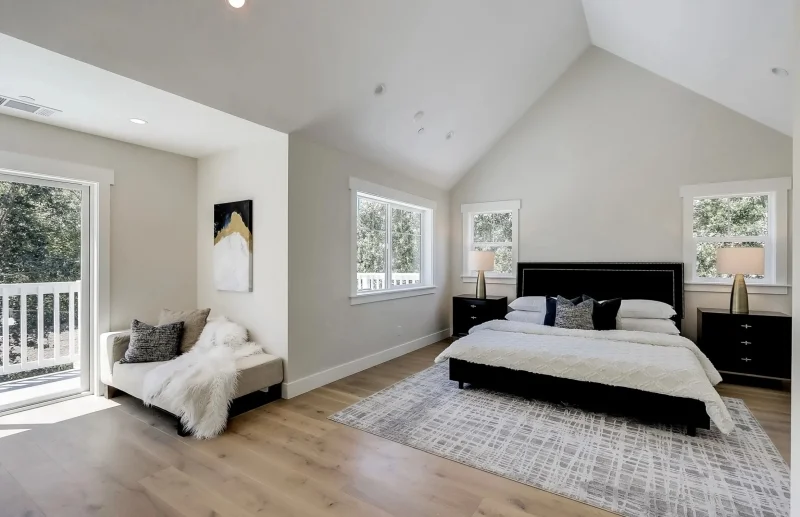
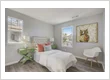
Walk into an empty house and something feels off. The walls seem farther apart than they should, and every footstep echoes. That flatness is the real hurdle for sellers, and it shows up fast in listing photos. Good vacant home staging gives a room layers, so the eye has places to travel. Depth is what makes a picture feel like somewhere you could actually live.
Why Empty Rooms Look Flat
Empty rooms lose depth because nothing sits between the camera and the back wall. A sofa, a rug, or a side table creates overlapping shapes, and those shapes tell the brain how far away things are. Without them, a generous living room can look like a shoebox. Most sellers don't think about this until the first photos come back smaller than the house.
Layering From the Floor Up
Rugs do more work than most people expect. A rug large enough for the front legs of the seating anchors the zone and pulls the eye forward. Set a coffee table about 16 inches from the sofa, and you've got a foreground, midground, and background without moving a single wall.
Sightlines and a Clear Focal Point
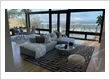
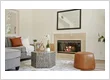
Every room needs one thing the eye lands on first. Hang a large piece of art on the far wall, or anchor the room with a fireplace or a window with a view. Then arrange furniture so the path from the doorway to that spot stays open. Blocked sightlines make even a big room feel cramped.
Scale and Breathing Room
Scale can make or break a room in photos. A tiny coffee table in a big living room looks lost, and an oversized sectional in a small room blocks the walkway. Keep about 30 inches of clear space along main paths. Tall plants and floor lamps add vertical lines, and the eye reads those as distance.
Mirrors and Light at Different Heights
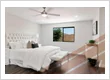
Mirrors bounce light and reflect the room back on itself, which makes a room feel larger. Hang one across from a window if you can. Then skip the single ceiling fixture and layer lamps at different heights. Warm pools of light create soft shadows, and shadows suggest a room keeps going past the frame.
What Changes in Occupied Homes
Occupied home staging follows the same rules, but the work involves more editing. Owners still live with their belongings, so the stager edits rather than starts from scratch. Pieces get rearranged, clutter disappears into storage, and only the missing furniture gets added. That's the part many sellers underestimate.
Where Velvet Fits In
A real estate staging company should walk through the rooms before moving a single chair. Velvet Home Staging serves the Bay Area and offers flexible contracts, including 60-day staging contracts, so the timeline can match your listing. Bring your current photos to the walkthrough and ask where the room feels shallow. That question usually leads to the fix.